In today’s globalized world, communication is key. Whether for business, travel, or personal interactions, language can often be a barrier.
Fortunately, advancements in technology have given us the gift of AI translation. But what exactly is AI translation? How does it work, and is it really a game-changer in the world of translation?
This article explores the ins and outs of AI translation, highlighting its features, usage, alternatives, pros and cons, and everything you need to know.
Quick Answer:
AI Translate uses artificial intelligence to automatically convert text or speech from one language to another. It represents the future of language translation by offering faster, more accurate, and real-time translations that help people and businesses communicate globally.
What is AI Translate?
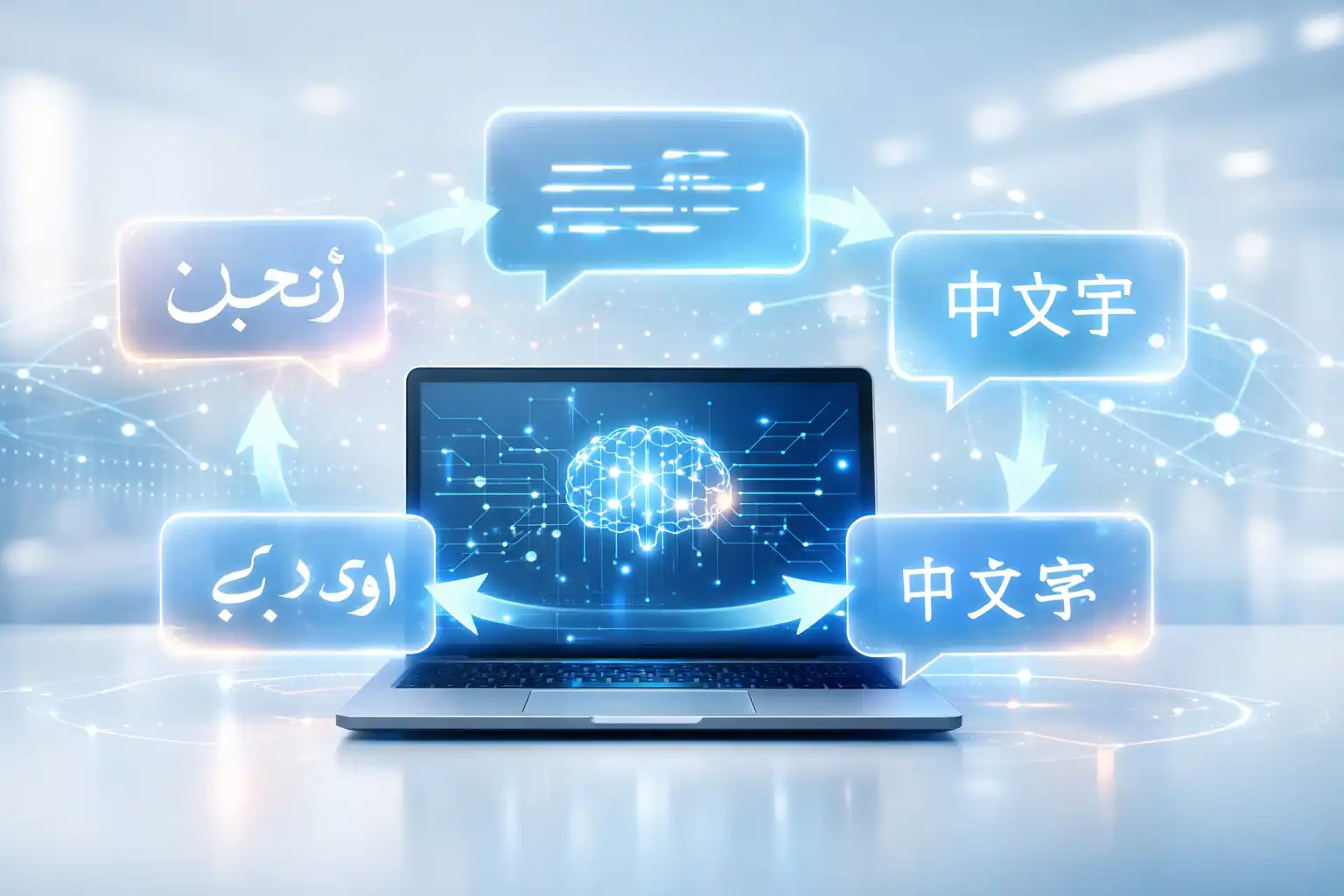
AI translation refers to the use of artificial intelligence (AI) and machine learning algorithms to translate text or speech from one language to another. Unlike traditional translation tools, AI translation systems, such as Google Translate, DeepL, and others, use advanced algorithms to understand the context of the content and generate more accurate translations.
AI translation works by analyzing vast amounts of data and learning patterns from it. The more data these systems process, the better they get at understanding the nuances of different languages. This process is often referred to as neural machine translation (NMT), where the AI essentially “learns” languages through patterns and relationships rather than just memorizing direct word-to-word translations.
Features of AI Translate
AI translation offers numerous features that make it a powerful tool for individuals and businesses alike:
- Contextual Understanding: One of the standout features of AI translation is its ability to understand context. For example, it can differentiate between different meanings of the same word depending on its surrounding text.
- Real-time Translation: AI translation services offer real-time translations, making them useful for instant communication in business meetings, travel, and casual conversations.
- Multilingual Support: AI translation tools typically support a wide range of languages, making them versatile for international interactions.
- Speech-to-Text Translation: Many AI translation systems now support translating spoken words into text, which is incredibly helpful for live conversations or meetings.
- User-friendly Interfaces: These platforms are designed to be easy to use, with simple interfaces that even beginners can navigate.
How to Use AI Translate
Using AI translation tools is incredibly easy. Here’s a step-by-step guide to get you started:
- Choose a Platform: Pick an AI translation platform like Google Translate, DeepL, or Microsoft Translator.
- Enter the Text: Simply input the text you want to translate into the provided text box. Many platforms also allow you to upload documents for translation.
- Select the Languages: Choose the source language (the language you are translating from) and the target language (the language you want the text to be translated into).
- Click “Translate”: Hit the translate button, and in a matter of seconds, your text will be translated. Some platforms even offer real-time translations for speech.
- Review the Translation: While AI translation has improved significantly, always review the translation for accuracy. Sometimes, context or idiomatic expressions may not translate perfectly.
Best Alternatives to AI Translate
While AI translation tools have come a long way, there are still other alternatives that may suit specific needs:
- Human Translation: For complex or sensitive documents, human translation may be the best option. Humans can capture nuances and cultural context that AI might miss.
- Crowdsourced Translation Services: Platforms like Gengo or One Hour Translation allow you to hire human translators to provide more accurate and culturally sensitive translations.
- Other Machine Translation Tools: Some other popular machine translation tools include Microsoft Translator, Amazon Translate, and iTranslate.
Pros and Cons of AI Translate
Like any technology, AI translation has its strengths and weaknesses.
Pros:
- Fast and Efficient: Translations are completed in seconds, making it an ideal tool for quick translations.
- Cost-effective: Many AI translation services are free or low-cost, making them accessible to anyone.
- Scalability: AI translation can handle large volumes of text quickly, which is useful for businesses with global reach.
- 24/7 Availability: Unlike human translators, AI tools are available any time, making them accessible to users across different time zones.
Cons:
- Accuracy Issues: While AI translation has improved, it is not perfect. It may struggle with idiomatic expressions, regional dialects, or highly technical content.
- Lack of Cultural Sensitivity: AI translations may not fully capture the cultural nuances of certain phrases, which can lead to awkward or inappropriate translations.
- Limited Language Support: Not all languages are supported equally, and some languages may have fewer resources for accurate translation.
Is AI Translate Free or Paid?
Many AI translation services are available for free, especially for individual use. Google Translate, for example, offers unlimited free translations for texts, websites, and even images.
However, some premium AI translation services offer additional features and improved accuracy for a fee. DeepL, for instance, provides both free and paid versions, with the paid version offering advanced features like document translation and higher word limits.
For businesses that need large-scale translations or more advanced features, investing in a paid AI translation tool might be worth it. These services often offer extra benefits like better accuracy, faster translations, and customer support.
FAQS:
- What is AI Translate?
- AI translation uses machine learning and algorithms to translate text or speech from one language to another.
- Is AI Translate accurate?
- AI translation is generally accurate for basic and straightforward texts. However, it may struggle with complex sentences, idioms, or specialized jargon.
- Can AI Translate detect the context?
- Yes, AI translation tools are designed to understand context and adapt translations accordingly, though it may not always be perfect.
- Are AI translation tools free to use?
- Many AI translation tools offer free basic services, while more advanced features may require a subscription or one-time payment.
- Can AI Translate handle multiple languages?
- Yes, most AI translation services support numerous languages, making it versatile for global communication.
Conclusion
AI translation is a powerful tool that has revolutionized the way we communicate across language barriers. While it may not be perfect, it offers fast, efficient, and cost-effective translations that are especially useful for everyday interactions, travel, and business. For more complex or sensitive materials, human translation services remain the best choice. With continuous improvements in AI technology, the future of translation looks even more promising.

Emma Collins is a digital content writer who specializes in internet slang, social media trends, and clear, user-focused explainers. She writes engaging, optimized content that helps readers understand modern online language with ease and confidence.