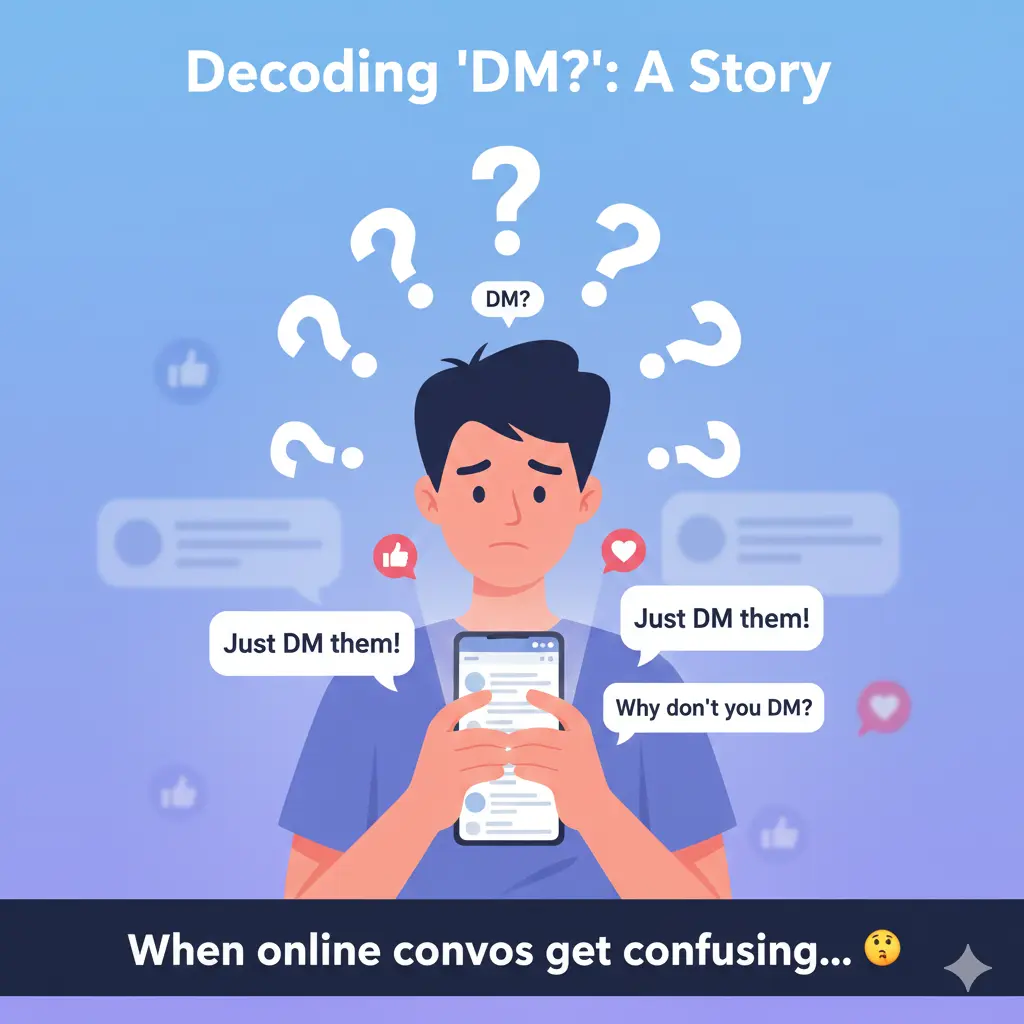
It usually starts like this: you’re scrolling through Instagram or TikTok, minding your own business, when you see a comment that says, “DM me” or “Check your DMs 👀.” You pause for a second. You know it’s common, but what does DM actually mean here? Is it friendly? Professional? Flirty? Or something else entirely?
If you’ve ever felt confused seeing DM used in different ways across chats, comments, or captions, you’re not alone. The truth is, DM has more than one meaning depending on context, platform, and tone. In this guide, we’ll break down DM meaning variations in simple, everyday language—so you can use it confidently without second-guessing.
What Does DM Mean in Text?
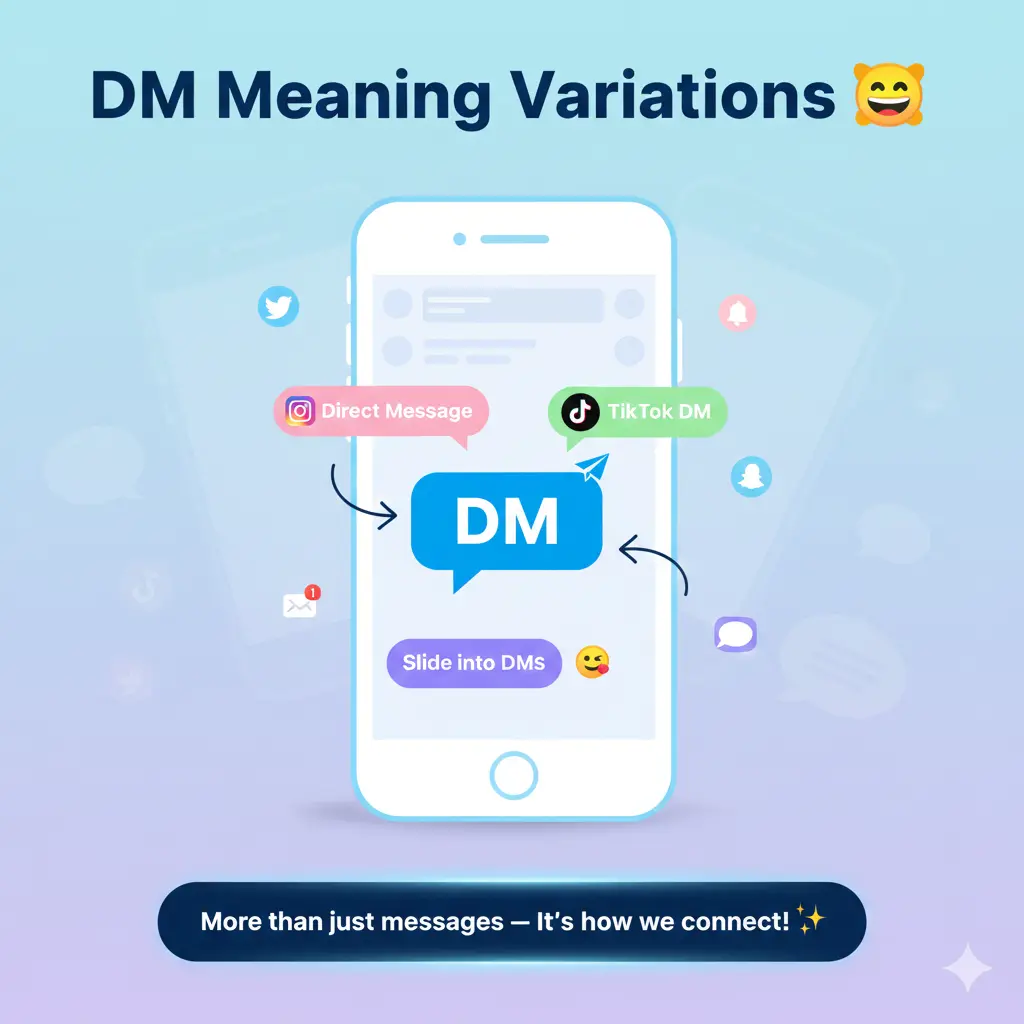
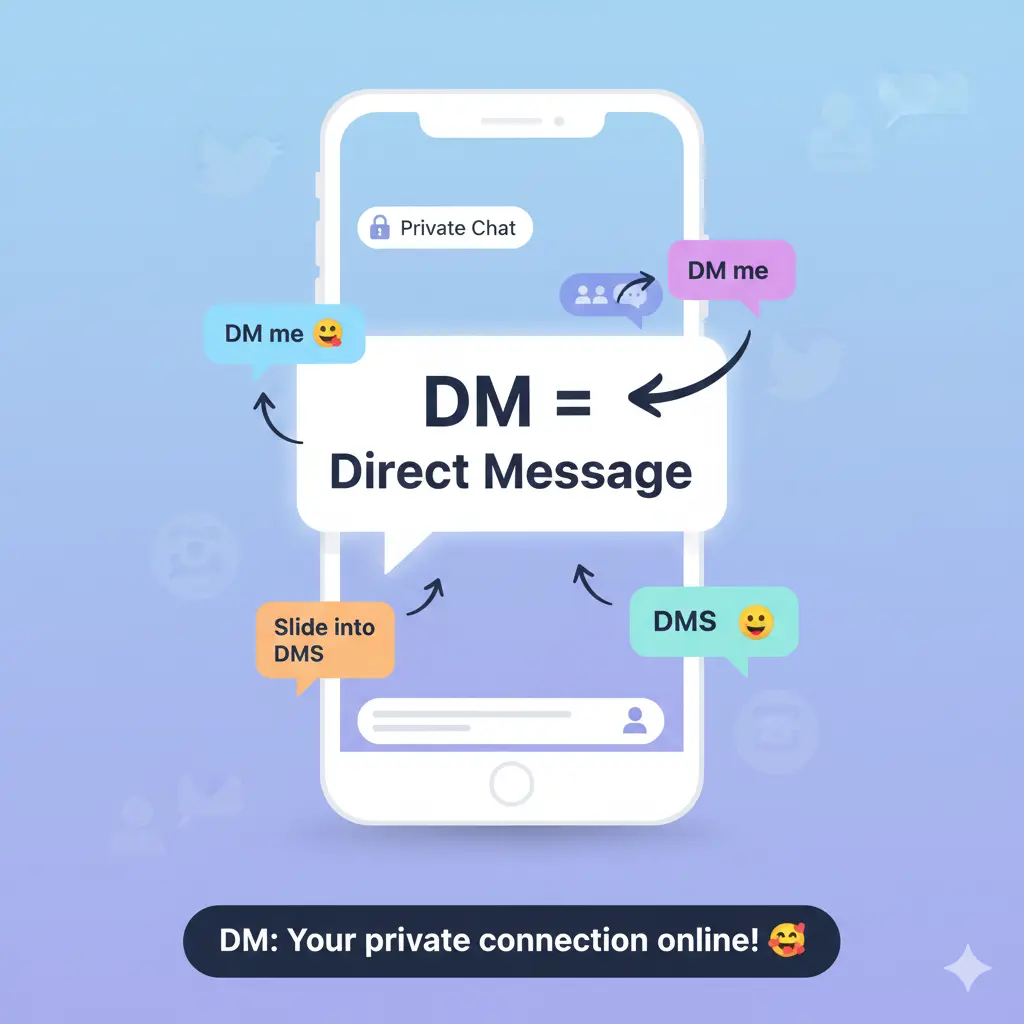
In text slang, DM most commonly stands for Direct Message.
A Direct Message is a private conversation between two users on a social media platform, separate from public comments or posts. When someone says “DM me,” they’re asking you to message them privately.
However, DM meaning variations come from how and where it’s used:
- DM (noun): “I sent you a DM.”
- DM (verb): “DM me the details.”
- DMs (plural): “My DMs are open.”
- Slide into the DMs: Often implies flirting or starting a private chat casually.
In rare cases, DM can mean other things (like Dungeon Master in gaming), but in texting and social media, Direct Message is by far the most common meaning.
Where Is DM Used?
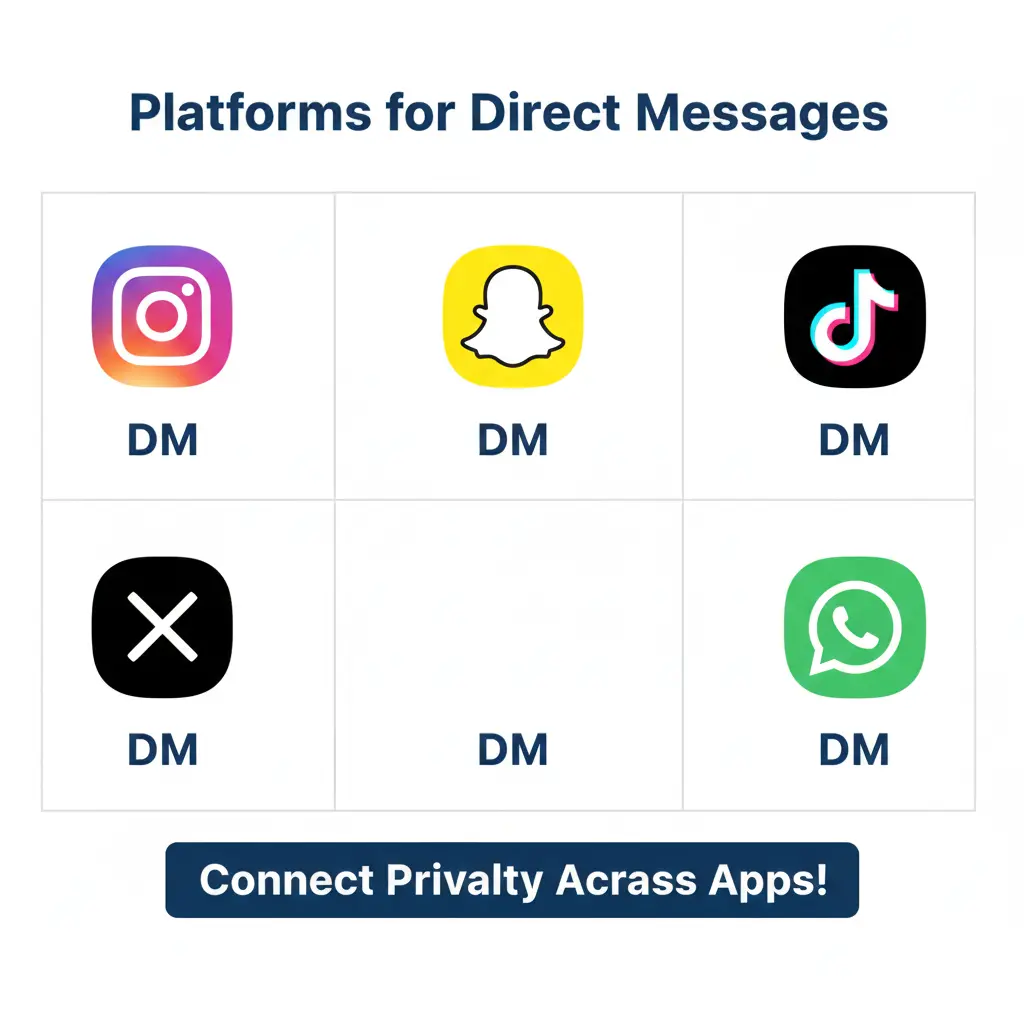
DM is widely used across almost all major digital platforms. Here’s where you’ll see it most often:
- Instagram: “DM for collabs,” “Check your DMs”
- Twitter / X: Private messages between users
- Facebook & Messenger: Direct inbox messages
- TikTok: Messaging creators or followers privately
- Snapchat: One-on-one private snaps or chats
- WhatsApp & texting: Used casually to mean “message me privately”
As for who uses it? Pretty much everyone—but it’s especially popular among:
- Teens and young adults
- Content creators and influencers
- Gamers and online communities
- Small businesses and freelancers
In short, DM is now part of everyday internet language.
Examples of DM in Conversation
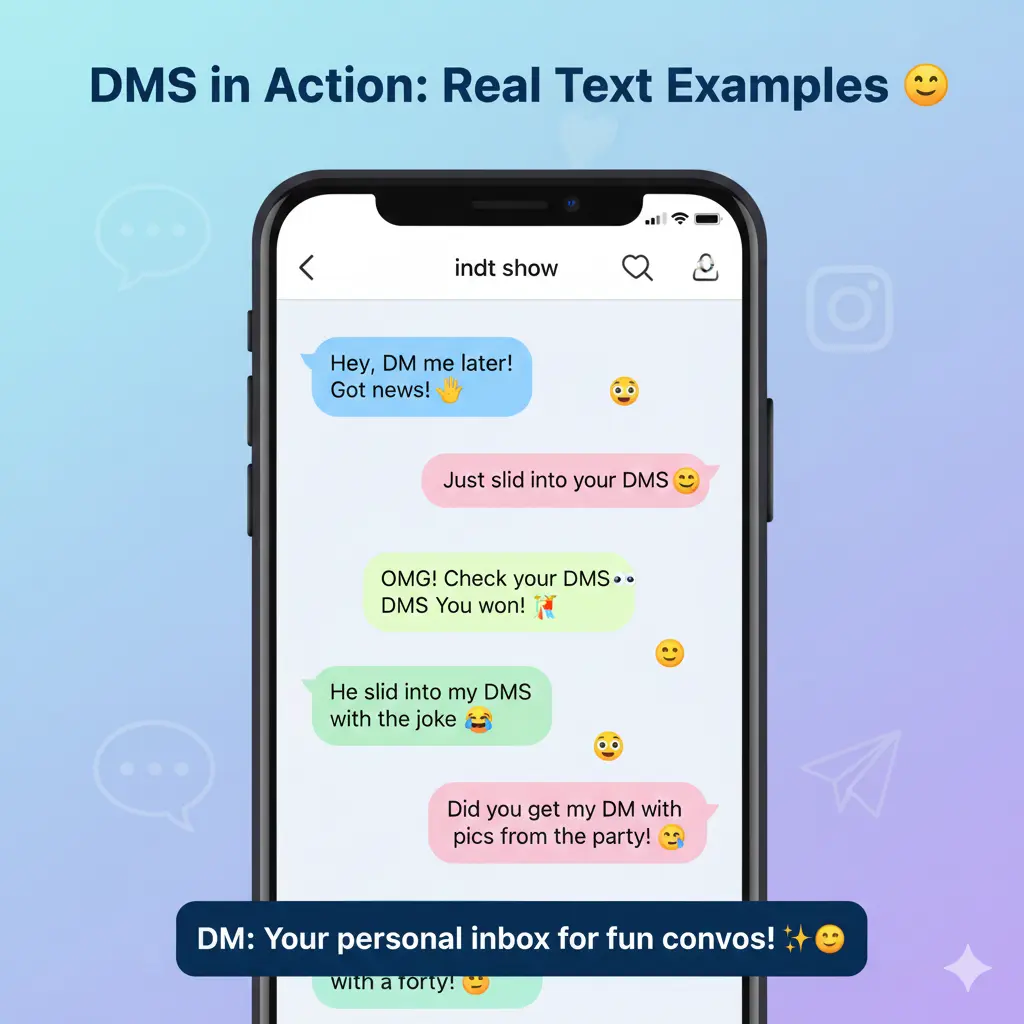
Here are some natural, real-life examples showing different DM meaning variations:
- Friendly
- “Hey, I’ll DM you the notes later.”
- Casual
- “DM me when you’re free.”
- Flirty
- “He slid into my DMs last night 😏”
- Professional (casual-professional)
- “Please DM us your order number for support.”
- Social Media Comment
- “DM for price details.”
- Funny
- “My DMs are dry… send memes 😂”
- Support-related
- “We’ve replied to your DM. Please check.”
Each example shows how tone—not the word itself—changes the meaning.
When to Use and When Not To Use DM
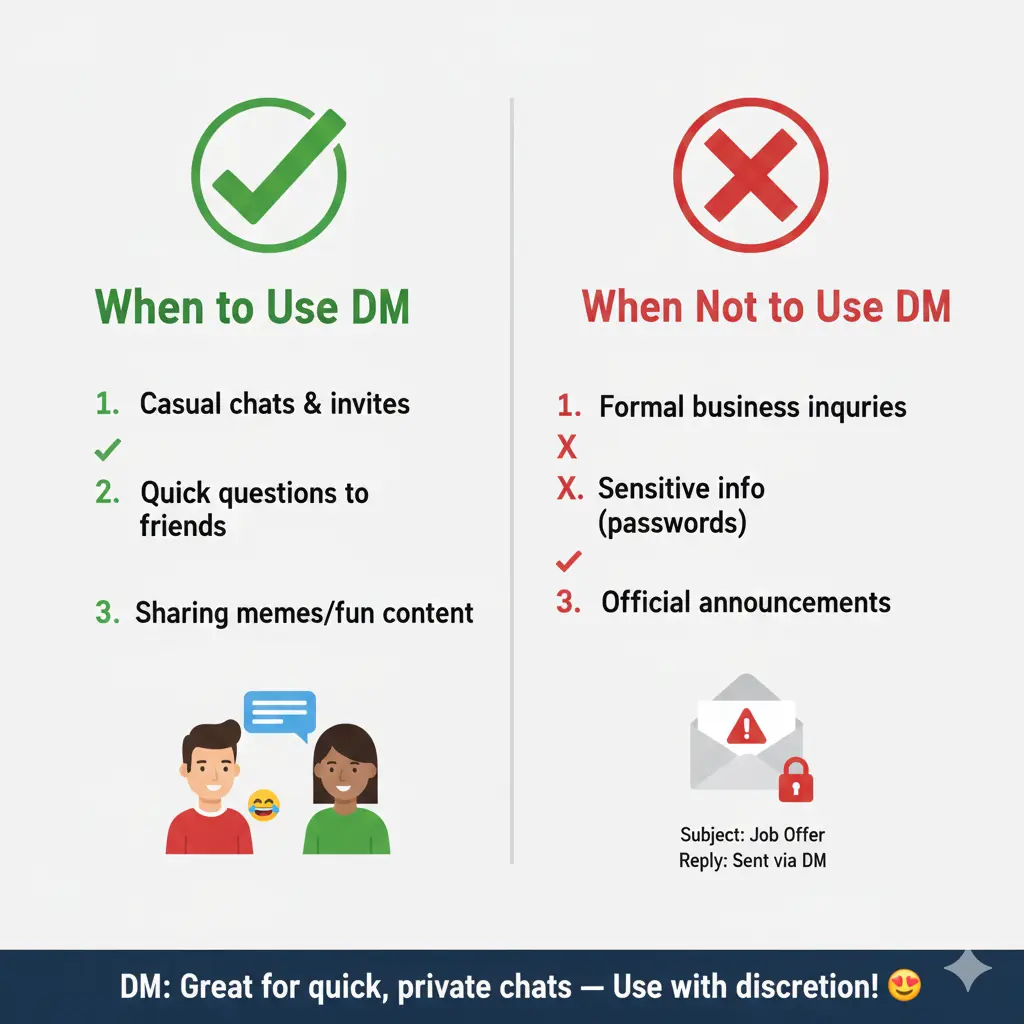
✅ When to Use DM
- In casual chats with friends
- On social media platforms
- When asking for private details
- For quick, informal communication
- In comments like “DM me” or “Check DMs”
DM works best when the conversation is relaxed and informal.
❌ When Not to Use DM
- In formal emails
- In school assignments
- In professional documents
- With people unfamiliar with internet slang
For example, instead of saying “DM me” in a work email, it’s better to say:
“Please send me a private message” or “You can contact me directly.”
Using DM in the wrong setting can feel too casual or unclear.
Similar Slang Words or Alternatives
Here are some slang terms related to DM meaning variations, with quick explanations:
- PM (Private Message): Older version of DM, still used on forums
- Inbox me: Casual way to ask for a private message
- Message me: Neutral and universally understood
- Hit me up: Very casual; can sound flirty
- Slide in: Slang for starting a DM, often romantic or playful
Each alternative carries a slightly different tone, so choose based on context.
FAQs About DM Meaning Variations
What does DM mean from a girl?
It usually means she wants to talk privately. Depending on context, it can be friendly, neutral, or flirty—but the tone of the message matters more than the word “DM” itself.
Is DM slang rude?
No, DM is not rude. It’s neutral and widely accepted. It only feels rude if used abruptly or without context.
Can I use DM in professional chats?
In casual professional spaces (like social media support), yes. In formal emails or corporate communication, it’s better to avoid slang.
Does DM have a flirty meaning?
Sometimes. Phrases like “sliding into DMs” often imply flirting, but DM alone is not automatically flirty.
Is DM still popular in 2025?
Yes, absolutely. DM remains one of the most commonly used internet terms across social media platforms in 2025.
Conclusion
So, what’s the takeaway? DM meaning variations all revolve around one core idea: private messaging. Whether it’s friendly, professional, or flirty depends entirely on context, platform, and tone. From “DM me the details” to “sliding into DMs,” this tiny abbreviation carries a lot of social meaning.
The key tip? Use DM confidently in casual and social settings—but switch to clearer language in formal situations. Once you understand how it’s used, you’ll never hesitate when you see it pop up in a chat again.

Emma Collins is a digital content writer who specializes in internet slang, social media trends, and clear, user-focused explainers. She writes engaging, optimized content that helps readers understand modern online language with ease and confidence.