I still remember the first time I saw the term “fetal fraction” while reading a lab report shared in a WhatsApp family group.
Everyone else seemed calm, but I was stuck thinking, “Wait… what does fetal fraction mean?” It sounded technical, almost like medical slang, but no one explained it clearly. If you’ve seen this term in a test report, doctor’s message, or online pregnancy forum and felt confused, you’re not alone.
Although it looks like a casual phrase, fetal fraction is actually a medical term that shows up often in prenatal testing. Let’s break it down in simple, everyday language so it finally makes sense.
Quick Answer:
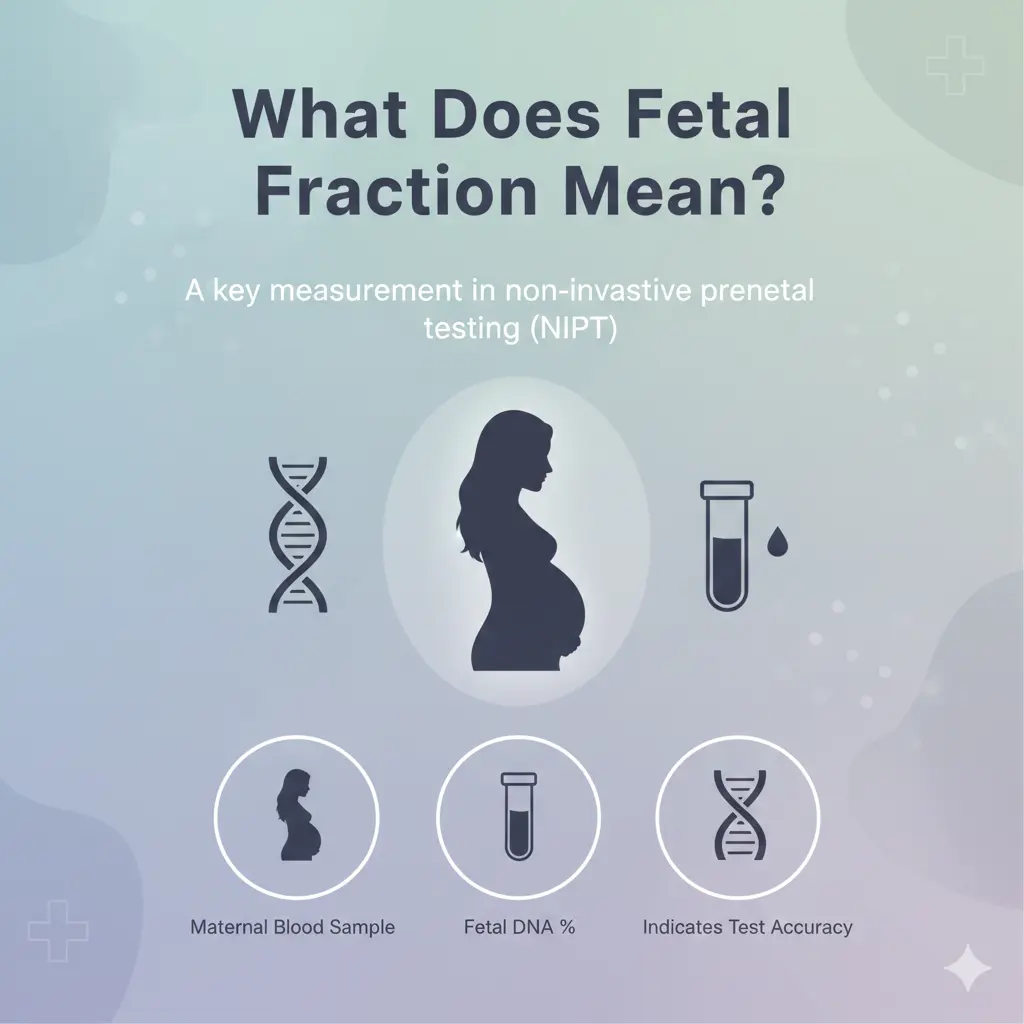
Fetal fraction means the percentage of a baby’s DNA present in the mother’s blood during a prenatal screening test like NIPT. A higher fetal fraction usually means more accurate test results.
What Does Fetal Fraction Mean in Text?
Fetal fraction is not slang or an abbreviation used in casual texting. Instead, it’s a medical term commonly used in pregnancy-related lab reports.
In simple words, fetal fraction means the percentage of a baby’s DNA present in the mother’s blood sample during a prenatal screening test—most often in NIPT (Non-Invasive Prenatal Testing).
When a pregnant person takes an NIPT blood test, the blood contains:
- Mostly the mother’s DNA
- A small amount of the baby’s DNA (from the placenta)
That small portion is called the fetal fraction.
👉 Example:
If a report says “Fetal Fraction: 8%”, it means 8% of the DNA in the sample came from the baby.
There are no alternate slang meanings or variations—fetal fraction has one clear medical definition.
Where Is Fetal Fraction Used?
Unlike internet slang, fetal fraction is used only in medical and health-related contexts. You’ll usually see it in:
- Prenatal screening reports
- Doctor or lab messages
- Hospital portals or test result apps
- Pregnancy forums and medical websites
- Discussions with OB-GYNs or genetic counselors
It’s most common among:
- Pregnant women
- Doctors and lab professionals
- People researching prenatal tests
- Couples expecting a baby
You won’t see fetal fraction used on Instagram captions, TikTok comments, or Snapchat chats unless someone is talking about pregnancy or test results.
Examples of Fetal Fraction in Conversation
Here are some realistic, natural examples of how fetal fraction appears in real conversations:
- Doctor: “Your NIPT results look good. The fetal fraction was high enough for accurate screening.”
- Patient: “My report says fetal fraction is 3%. Is that too low?”
- Forum Post: “Has anyone had a low fetal fraction and still normal results?”
- Text Message: “The lab asked me to repeat the test because the fetal fraction was insufficient.”
- Clinic Message: “A fetal fraction above 4% is generally considered reliable.”
- Partner Chat: “The doctor explained fetal fraction today—basically how much baby DNA shows up.”
As you can see, it’s always used in an informational or medical tone, not casually or humorously.
When to Use and When Not to Use Fetal Fraction
✅ When to Use It
Use fetal fraction when:
- Talking to a doctor or healthcare provider
- Discussing prenatal test results
- Asking questions in pregnancy groups
- Reading or explaining lab reports
It fits well in medical, educational, or serious discussions.
❌ When Not to Use It
Avoid using fetal fraction when:
- Chatting casually with friends who aren’t discussing pregnancy
- Posting jokes, memes, or casual social media content
- In professional settings unrelated to healthcare
- In school or work chats where medical context isn’t relevant
It’s not casual, not flirty, and not social-media slang—using it outside the right context can confuse people.
Similar Medical Terms or Alternatives
While fetal fraction doesn’t have slang alternatives, here are related medical terms you might see alongside it:
- NIPT (Non-Invasive Prenatal Testing): A blood test that screens for genetic conditions
- cffDNA (cell-free fetal DNA): The baby’s DNA found in maternal blood
- Low fetal fraction: When there isn’t enough fetal DNA for accurate results
- Gestational age: How far along the pregnancy is
- Repeat test: A second blood draw if fetal fraction is too low
Knowing these terms helps you better understand your report and doctor’s advice.
FAQS:
What does fetal fraction mean from a girl?
It doesn’t mean anything different “from a girl.” Fetal fraction is a medical measurement, not a message or emotional signal.
Is fetal fraction slang or rude?
No. Fetal fraction is not slang and not rude at all. It’s a clinical term used by healthcare professionals.
Can I use fetal fraction in professional chats?
Yes—but only in medical or healthcare-related professional settings. It’s not appropriate for general workplace conversations.
Does fetal fraction have any flirty meaning?
Not at all. There is zero flirty or emotional meaning attached to fetal fraction.
Is fetal fraction still relevant in 2025?
Yes. Fetal fraction is still very important in 2025, especially for prenatal screening and genetic testing accuracy.
Conclusion
So, if you’ve been wondering what does fetal fraction mean, now you know—it’s the percentage of a baby’s DNA found in the mother’s blood during prenatal testing. While it may look confusing or sound like modern slang, it’s actually a straightforward medical term with an important role in pregnancy care. The key tip? Use it confidently in medical conversations, but don’t treat it like casual chat slang. Once you understand it, reading test reports becomes a lot less stressful.

Anderson is a skilled content writer focused on explaining modern text slang and digital communication trends. He creates clear, friendly content that helps readers understand online language quickly and confidently.